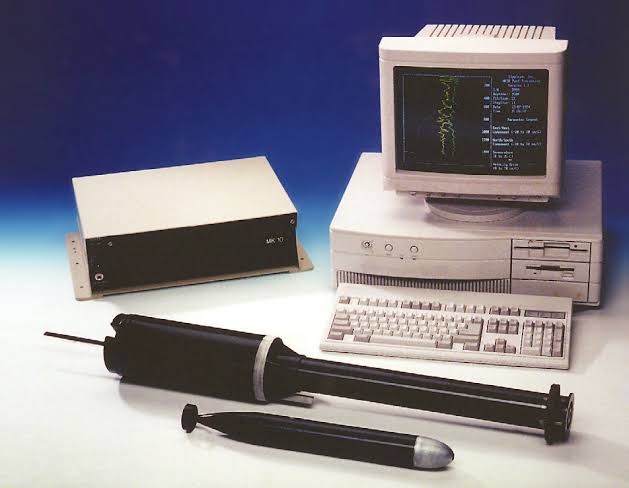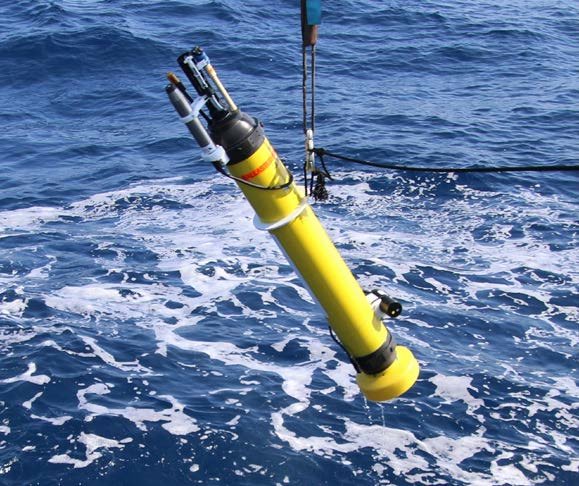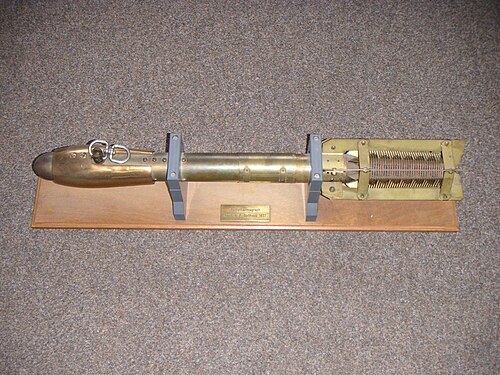
Vertical profile data in oceanography usually refers to measurements of ocean properties (e.g., temperature, salinity, density) against depth (from the surface downwards). These instruments are important because the vertical structure of the ocean (temperature gradient, thermocline, stratification) greatly determines ocean currents, mixing, and physical dynamics. The Mechanical Bathythermograph (MBT) is one of the classic instruments used to measure sea temperature against depth up to the upper ocean layer. MBTs have been in use since the mid-20th century and were widely used before modern instruments such as CTDs and XBTs became dominant.
The Vertical Profile Data is equipped with:
Vertical profile data is usually accompanied by a number of metadata and parameters, for example:
- Depth or pressure at each measurement point
- Sea temperature at each depth
- Horizontal location (latitude, longitude)
- Measurement time/date
- Instrument identification, calibration, and additional metadata (e.g., sea conditions during measurement)
- Standard data format (e.g., UBT for MBT)
Therefore, vertical profile data is not just temperature-depth numbers, but also includes information for correct interpretation (e.g., error correction, instrument metadata, location, time).
The main function of these Mechanical Bathythermograph is
Some of the main functions of MBT include,
- Measuring temperature profiles against depth in the upper ocean layer, so we can find out how the temperature changes from the surface downwards.
- Determining the thermal structure of the ocean, including thermocline depth, temperature gradient, and mixed layer.
- As historical data: MBT provides records of past ocean temperatures, which are useful for long-term studies of ocean climate change and ocean heat.
- Supporting estimates of thermal transport or thermal flux in the ocean, when combined with other data such as current velocity. For example, in studies of the Makassar Current in Indonesia, MBT is used in conjunction with CTD and XBT data to create representative temperature profiles.
However, due to limitations in accuracy and depth, MBT is often replaced by more sophisticated instruments in modern research.
Types of Mechanical Bathythermograph
Actually, MBT itself is a type of instrument (mechanical bathythermograph). However, there are several variations or generations and ways of using it:
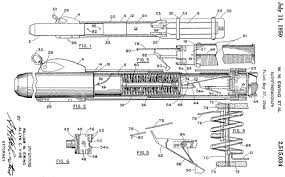
- Classic/traditional MBT, a mechanical instrument with a liquid-metal thermometer and mechanical recorder.
- Modified/newer version of MBT, with improved calibration and more accurate sensors.
- MBT differs from XBT (Expendable Bathythermograph), XBT is a disposable instrument released from a ship, not retrieved, and uses a different method.
So, although there are not as many “types of MBT” as there are variations in modern instruments, variants usually refer to generations, sensor designs, or recording methods.
Main Components of Mechanical Bathythermograph
- Liquid-in-metal thermometer, This is a temperature measuring element containing a liquid (e.g., mercury or other metal) that reacts to temperature changes.
- Mechanical recorder (indication on a slide/glass plate), As the instrument descends through the water column, the temperature causes expansion or displacement of the thermometer element, which is recorded mechanically (e.g., on a glass slide).
- Waterproof casing or housing (housing / pressure case), Protects internal components from water pressure and marine conditions (corrosion).
- Cable or hook rope / winch, Used from the ship to lower and raise the device or control the depth.
- Brake or stop mechanism / depth control, To stop the device at the target depth or slow down its speed.
- Metadata and calibration system, Additional components such as calibration scales, device identification, and calibration records to correct system errors.
These components work together to produce a temperature vs. depth curve.